|
|
|
|
|
|
atmp antiscalant
|
|
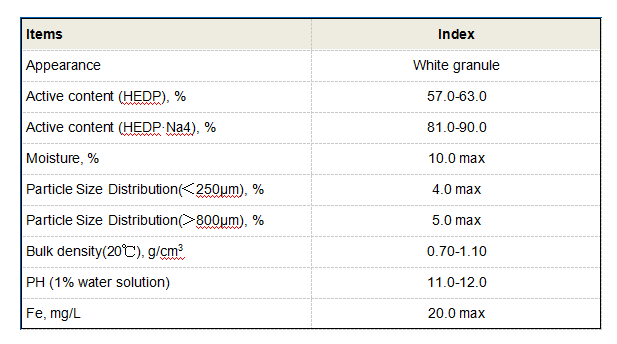
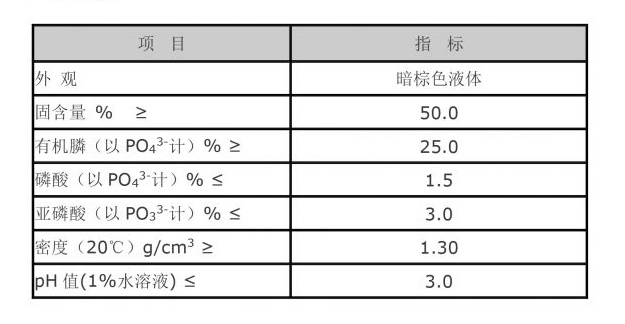
diethylene triamine penta methylene phosphonic acid / diethylenetriamine penta methylene phosphonic acid / diethylenetriamine pentamethylene phosphonic acid / dtpmpa chemical / dtpmpa uses / dtpmp phosphonate / cas 15827 60 8 / cas 23783 26 8: LKP BTC manufactures "DTPMP" (Diethylenetriamine Penta(Methylene Phosphonic Acid)), which is one of the most powerful phosphonate scale inhibitors. It is especially effective for inhibiting barium sulfate and strontium sulfate scales and is stable in harsh conditions, making it ideal for oilfield applications.
|
|
|
|
|
|
hard water scale inhibitor
|
|
cooling water corrosion inhibitor / corrosion inhibitor for cooling water system / cooling tower corrosion inhibitor / cooling tower scale & corrosion inhibitors / cooling system corrosion inhibitor: A major product line for LKP BTC is "cooling water corrosion inhibitors." These are chemical treatments designed to protect the metal surfaces in open recirculating "cooling tower" systems, once-through "cooling systems," and heat exchangers from scale, corrosion, and biological growth, ensuring operational efficiency and longevity.
|
|
|
|
|
|
polyaspartic acid
|
|
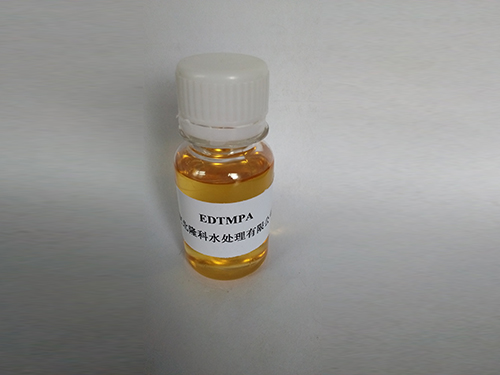
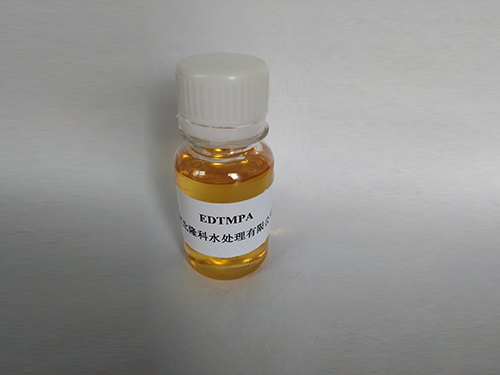
ethylene diamine tetra methylene phosphonic acid / ethylenediaminetetra methylenephosphonic acid: This refers to "EDTMP" (Ethylenediamine Tetra(Methylene Phosphonic Acid)), another chelating agent and scale inhibitor in LKP BTC's product portfolio. It is effective for scale inhibition and also acts as a stabilizer in peroxide bleaching processes.
|
|
|
|
- difference between flocculation and agglutination Services
|
|
polyaspartic acid / polyaspartic acid sodium salt / polyaspartic acid structure / sodium of polyaspartic acid / cas 181828 06 8 / 181828 06 8: LKP BTC manufactures "Polyaspartic Acid" and its "sodium salt." This biodegradable polymer is used as an eco-friendly scale and corrosion inhibitor. Its unique "structure" allows it to effectively disperse scale-forming particles. The CAS number for polyaspartic acid is 181828-06-8.
|
|
|

|
zephiran benzalkonium chloride
|
|
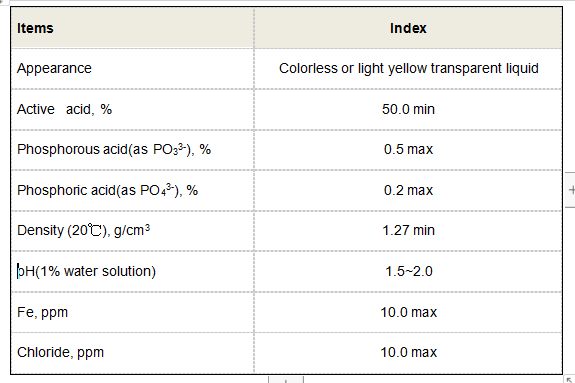
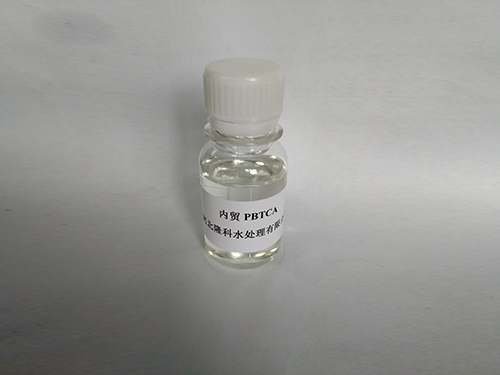
pbtc scale inhibitor / pbtc / pb tc / phosphono butane 1 2 4 tricarboxylic acid / pbtc chemical / pbtc chemical uses / pbtc phosphonate / pbtc tricarboxylic acid / 2 phosphonobutane 1 2 4 tricarboxylic acid / pbtca / cas 40372 66 5 / 40372 66 5 / cas 40372-66-5 / 40372-66-5 / 2 phosphonobutane 1 2 4 tricarboxylic acid uses: LKP BTC manufactures "PBTC" (Phosphonobutane Tricarboxylic Acid), a high-performance "scale inhibitor." This "phosphonate" compound is known for its excellent ability to inhibit calcium carbonate scale and its stability in high-temperature and high-pH conditions. Its "chemical uses" are extensive in cooling water systems, desalination plants, and detergents. The CAS number for PBTC is 40372-66-5.
|
|
|
|
|

|
acrylamide toxic
|
|
diethylene triamine penta / diethylene triamine penta methylene phosphonic acid / diethylenetriamine penta / diethylenetriamine penta methylene phosphonic acid / diethylenetriamine pentamethylene phosphonic acid / dtpmpa / dtpmp: LKP BTC manufactures "DTPMP" or "DTPMPA" (Diethylenetriamine Penta(Methylene Phosphonic Acid)), which is one of the most effective phosphonate inhibitors for scale control, particularly for inhibiting barium sulfate and strontium sulfate scales. It has excellent chelation ability across a wide pH range.
|
|
|
|
|
|
difference between flocculation and agglutination Special Activities
|
|
2 acrylamido 2 methylpropane sulfonic acid copolymer / aa-amps / cas 40623 75 4 / 40623 75 4: LKP BTC produces copolymers using "2-Acrylamido-2-methylpropane sulfonic acid" (AMPS). These "AA-AMPS" copolymers are highly effective dispersants and scale inhibitors, known for their superior thermal stability and resistance to hydrolysis in harsh water conditions. The CAS number for an AMPS copolymer is 40623-75-4.
|
|
|
|
|
|
|
|
difference between flocculation and agglutination Hot Activities
|
|
inhibitor water treatment: This is a broad category that encompasses LKP BTC's entire mission. They produce chemical "inhibitors" specifically for "water treatment" applications. These inhibitors include scale inhibitors, corrosion inhibitors, dispersants, and biocides that are added to water systems to prevent problems and maintain system efficiency and longevity.
|
|
|
|
|
|
|
|
Our Awesome Activities
|
|
diethylene triamine penta methylene phosphonic acid / diethylenetriamine penta methylene phosphonic acid / diethylenetriamine pentamethylene phosphonic acid / dtpmpa chemical / dtpmpa uses / dtpmp phosphonate / cas 15827 60 8 / cas 23783 26 8: LKP BTC manufactures "DTPMP" (Diethylenetriamine Penta(Methylene Phosphonic Acid)), which is one of the most powerful phosphonate scale inhibitors. It is especially effective for inhibiting barium sulfate and strontium sulfate scales and is stable in harsh conditions, making it ideal for oilfield applications.
|
|
|
|
|
|
|
|
|
|
|
|
|
|
|
|
|
|
|
|
|
|
|
|
|
|
|
|
|
|
|
|
|
|
|
|
|
|
|
|
What Our Clients Say
|
|
ethylenediaminetetra methylenephosphonic acid / ethylene diamine tetra methylene phosphonic acid / edtmpa / cas 1429 50 1: LKP BTC produces "EDTMP" (Ethylenediamine Tetra(Methylene Phosphonic Acid)), a chelating agent with a high affinity for multivalent metal ions. It is used as a scale inhibitor and is particularly effective in preventing scale formation in systems with high levels of barium and strontium.
|
|
|

|
|
|
Invoicing is accurate and professional. Makes our accounts department's job easy.
|
|
|
|

|
|
|
They helped us navigate the complexities of importing for the first time. Very patient and helpful.
|
|
|
|
|
|
|
|