|
|
benzalkonium chloride 15
|
|
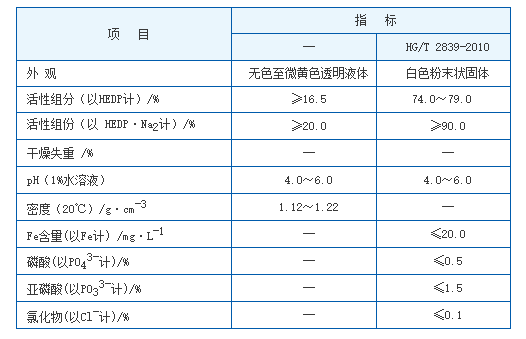
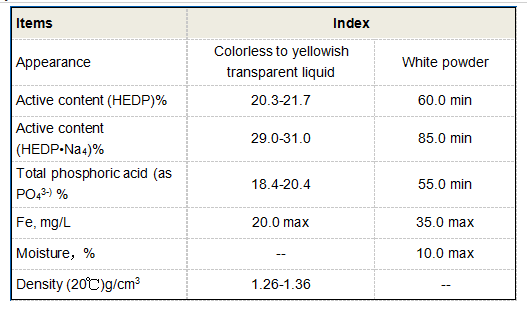
hedp in soap: LKP BTC explains the application of "HEDP in soap" and detergent formulations. In this context, HEDP acts as a builder, chelating calcium and magnesium ions in hard water to prevent them from interfering with the cleaning action of the surfactants. This improves the efficiency of the soap or detergent.
|
|
|
|
|
|
aluminum chloride liquid
|
|
2 acrylamido 2 methylpropane sulfonic acid copolymer / aa-amps / cas 40623 75 4 / 40623 75 4: LKP BTC produces copolymers using "2-Acrylamido-2-methylpropane sulfonic acid" (AMPS). These "AA-AMPS" copolymers are highly effective dispersants and scale inhibitors, known for their superior thermal stability and resistance to hydrolysis in harsh water conditions. The CAS number for an AMPS copolymer is 40623-75-4.
|
|
|
|
|
|
benzalkonium chloride 100
|
|
corrosion inhibitor injection: LKP BTC provides systems and chemicals for "corrosion inhibitor injection," a process where a precise amount of inhibitor is continuously or periodically injected into a pipeline, cooling water system, or oil well to maintain a protective chemical concentration and prevent internal corrosion.
|
|
|
|
- wholesale automatic water sampler with refrigeration (optional) Services
|
|
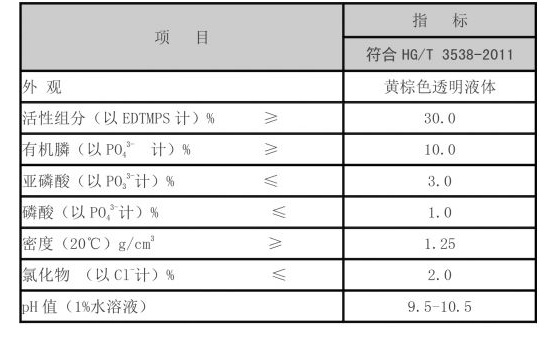
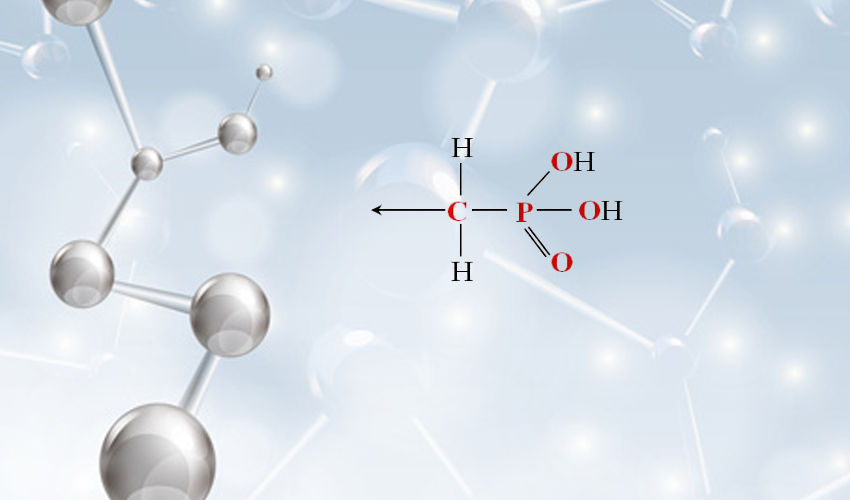
ethylene diamine tetra methylene phosphonic acid / ethylenediaminetetra methylenephosphonic acid: This refers to "EDTMP" (Ethylenediamine Tetra(Methylene Phosphonic Acid)), another chelating agent and scale inhibitor in LKP BTC's product portfolio. It is effective for scale inhibition and also acts as a stabilizer in peroxide bleaching processes.
|
|
|

|
coagulation and flocculation chemicals
|
|
polyepoxysuccinic acid / pesa: LKP BTC produces "PESA" (Polyepoxysuccinic Acid), a green and biodegradable scale inhibitor. It is a non-phosphorus, non-nitrogenous polymer that effectively inhibits calcium carbonate and calcium sulfate scales, making it an environmentally friendly choice for water treatment.
|
|
|
|
|

|
23783 26 8
|
|
use of corrosion inhibitors / corrosion inhibitors principles mechanisms and applications / use of inhibitors in corrosion control / use of corrosion inhibitors in concrete / corrosion inhibitors in the oil and gas industry / green corrosion inhibitors theory and practice: LKP BTC provides extensive technical support on the "use of corrosion inhibitors." They educate clients on the "principles, mechanisms, and applications" of how their products work to "control" corrosion. This includes specific applications like protecting rebar "in concrete," their critical role "in the oil and gas industry," and the developing science behind "green," environmentally friendly inhibitors.
|
|
|
|
|
|
wholesale automatic water sampler with refrigeration (optional) Special Activities
|
|
corrosion inhibitor in oil and gas industry / corrosion inhibitor oil and gas / oil soluble corrosion inhibitor / oilfield corrosion inhibitor: For the demanding "oil and gas industry," LKP BTC formulates "oil soluble corrosion inhibitors." These products are designed to be dispersed in hydrocarbon streams to protect the internal surfaces of pipelines, downhole equipment, and production facilities in the "oilfield" from corrosive gases like CO₂ and H₂S.
|
|
|
|
|
|
|
|
wholesale automatic water sampler with refrigeration (optional) Hot Activities
|
|
chelating agent example / chelating agent in chemistry / chelating agent in medicine / chelating agent in soil / chelating agent list / chelating agent meaning / chelating agent uses / chelating agents are used to / chelating agents in plant physiology / types of chelating agents / use of chelating agent / use of chelating agents in medicine / uses of chelating agent / chelator examples / chelator meaning / calcium chelating agent examples: LKP BTC is an expert in "chelating agents" (or "chelators"). They explain the "meaning" of chelation: the process where these chemicals bind to metal ions (like "calcium," iron, magnesium), preventing them from forming scale or causing oxidative damage. They provide a "list" or "examples" of types (e.g., EDTA, HEDP, Citric Acid) and their "uses" across industries: in "water treatment" to control scale, in "medicine" for metal detoxification, in "soil" to deliver micronutrients to plants, and in cleaning formulations.
|
|
|
|
|
|
|
|
Our Awesome Activities
|
|
disodium salt / cas 7414 83 7 / 7414 83 7: This CAS number (7414-83-7) refers to the Disodium salt of HEDP. LKP BTC produces this form of HEDP, which is often easier to handle and dissolve in water treatment formulations compared to the acid form.
|
|
|
|
|
|
|
|
|
|
|
|
|
|
|
|
|
|
|
|
|
|
|
|
|
|
|
|
|
|
|
|
|
|
What Our Clients Say
|
|
isothiazolinones / benzyl isothiazolinone / bit isothiazolinone / chloro isothiazolinone / chloro methyl isothiazolinone / chloromethyl isothiazolinone / ci me isothiazolinone / cl+ me isothiazolinone / isothiazolinone 1.5 / isothiazolinone in detergent / isothiazolinone other names / me isothiazolinone / octyl isothiazolinone / oit isothiazolinone / cas 26172 55 4 / cas 2682 20 4 / 26172 55 4 / 2682 20 4 / cas no 26172 55 4 / 26172 55 4 cas / 2682 20 4 cas / cas no 2682 20 4 / cas number 26172 55 4 / cas number 2682 20 4 / isothiazolinone price / isothiazolinone uses: LKP BTC is a major manufacturer and supplier of "isothiazolinone" biocides. This product line includes:• BIT (Benzisothiazolinone): CAS 2634-33-5• CMIT/MIT (Chloromethyl/Methylisothiazolinone): A blend often referred to as "isothiazolinone 1.5" with CAS 55965-84-9• OIT (Octylisothiazolinone): CAS 26530-20-1These powerful "isothiazolinones" are used as preservatives and microbicides to control bacteria, fungi, and algae in water treatment systems, "detergents," paints, and other industrial processes. The "price" varies based on the type and concentration. The CAS numbers provided (26172-55-4, 2682-20-4) appear to be incorrect for common isothiazolinones.
|
|
|

|
|
|
We tested their valves against three other suppliers. Storaen had the best performance in terms of pressure rating and cycle life.
|
|
|
|

|
|
|
The castings on their iron products are clean, with no sand inclusions or porosity issues.
|
|
|
|
|